
Saturday, 10 October 2026
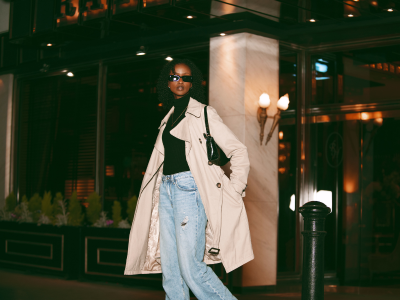
Luxury and streetwear were once distant cousins. Now, they are inseparable partners. This union did not happen overnight. However, it has reshaped fashion, culture, and business. Today, drop culture sits next to couture. Moreover, sneakers share runways with silk gowns. The result feels bold, sometimes chaotic, and often brilliant. This is the story of how rebels charmed the establishment. It is also a guide to what comes next. Along the way, we will decode the hype. We will track the money. And we will celebrate the creativity. Above all, we will explore Luxury fashion collaborations as a defining engine of modern style.
Streetwear began on sidewalks, not salons. It drew power from music, skate, and youth culture. Luxury remained guarded behind heritage walls. Yet change brewed fast. Social media shifted influence toward communities. Moreover, resale platforms gave hype a market price. Designers listened. Consumers demanded relevance and authenticity.
Therefore, the runway opened its doors. Luxury houses sought credibility and cultural heat. Streetwear brought both edge and scale. The handshake was inevitable. Consequently, Luxury fashion collaborations became the bridge between worlds.
Luxury wanted younger shoppers and faster story cycles. Streetwear wanted refined craftsmanship and global reach. Together, they found a fluent language. The language respected scarcity. It also rewarded participation and identity.
Additionally, collaboration mitigated risk. New ideas could be tested through limited drops. Hype created demand before production scaled. Therefore, margins stayed strong. Meanwhile, the cultural buzz lifted both partners. Unsurprisingly, Luxury fashion collaborations became quarterly tentpoles.
Some pairings became cultural landmarks. Burberry x Supreme merged British checks with downtown grit. The codes clashed and clicked—furthermore, the drop balanced nostalgia and novelty. Fans felt seen. Purists felt provoked. The conversation fueled desire.
Louis Vuitton x Nike unlocked another level. It fused couture craftsmanship with sneaker mythology. The project honored Virgil Abloh’s legacy and vision. Additionally, it reframed luxury as inclusive and fun. The collection sold out and soared on resale. Thus, Luxury fashion collaborations gained mythic status.
This is not only about buzz. It is about structured value creation. First, collaborations diversify product portfolios. They invite fresh eyes without diluting the core. Second, drops compress marketing and sales into one moment. The release acts as a campaign and conversion. Third, collaborations deepen community loyalty. They reward insiders while attracting new audiences.
Moreover, partnerships enhance pricing power. Scarcity sharpens desirability. Craft elevates perceived value. Therefore, sell-through rates improve. Retailers benefit from store traffic and media attention. Consequently, Luxury fashion collaborations drive both brand equity and revenue.
People do not buy logos. They buy belongings and stories. Streetwear masters this psychology. Drops feel like cultural events. You participate, not just purchase. The chase is part of the reward. However, luxury adds heritage and artistry. The narrative gains weight and depth.
Furthermore, collaborations deliver social currency. Wearing the piece signals taste and timing. It also signals access. That currency travels across feeds and parties. Therefore, Luxury fashion collaborations monetize identity and community.
Great collaborations age well. They become archive pieces with lore. Meanwhile, weaker ones fade fast. The difference lies in intent and execution. Do the partners share a point of view? Does the product advance the conversation? Is the story clear and desirable?
Additionally, production quality must exceed expectations. Long lines and instant sellouts excite. Yet quality cements legacy and resale value. Thus, Luxury fashion collaborations must balance speed with standard.
Luxury and streetwear travel differently across regions. In the United States, celebrity and sport drive the narrative. In Europe, craft and runway heritage often lead. Meanwhile, Japan prizes subculture finesse and meticulous detail. China values status, digital access, and curated experiences. The Middle East blends opulence with modern street elegance. India and Southeast Asia add youthful energy and rapid adoption.
Therefore, global strategies require nuance. Local capsules and region-first drops build relevance. Additionally, partnerships with local artists spark authenticity. Consequently, Luxury fashion collaborations thrive when culture is not copied and pasted.
Digital platforms now shape collaboration cycles. Design starts in 3D. Campaigns launch on social and gaming channels. Moreover, virtual try-ons and NFTs test appetite before production. Avatars wear luxury fits inside popular games. Fans flex skins before sneakers. Therefore, digital accelerates hype with less waste.
However, the craft still matters. Digital excitement must lead to tactile delight. Materials, stitching, and finishing must stun. Thus, Luxury fashion collaborations win when pixels and patterns align.
The collaboration machine risks overproduction. It also risks performative messaging. Consumers see through that now. Therefore, responsible programs must guide the process. Fewer, better drops can still thrill. Moreover, modular designs extend use. Recycled or bio-based materials reduce impact: repair services and take-back schemes close loops.
Additionally, transparency builds trust. Share the sourcing story. Measure the footprint. Celebrate craft that lasts. Consequently, Luxury fashion collaborations can lead the industry toward more durable hype.
Resale fuels the collaboration economy. Scarcity drives secondary trading. Data from resale reveals true demand. Moreover, it informs pricing and volume decisions. Brands learn what becomes grail and why. Meanwhile, collectors benefit from liquidity.
However, partners should design with longevity in mind. Pieces that patina well hold value. Packaging and documentation also matter. Therefore, Luxury fashion collaborations should be built for a second and third life.
The space is crowded now. Imitation and fatigue are real risks. Over-collaboration can blur brand identity. Moreover, thin concepts reveal themselves fast. Audiences disengage when drops feel cynical.
Pricing missteps also hurt. If value and craft do not match the price, trust erodes. Additionally, supply chaos can frustrate fans. Bots and backdoors damage goodwill. Therefore, Luxury fashion collaborations need discipline and empathy.
Several shifts are already visible. First, craftsmanship will return to center stage. Fewer, richer projects will replace constant noise. Second, hyper?local capsules will rise. Brands will partner with city scenes, not only global icons. Third, craft?tech hybrids will scale. 3D knitting, advanced leathers, and bio?materials will shine.
Moreover, the service will join the product. Collaborations may include repair, customization, and provenance tech. Meanwhile, archives will influence new designs more deeply. Therefore, Luxury fashion collaborations will blend heritage, science, and service.
Streetwear brought energy, community, and a rebellious heart. Luxury brought history, craft, and global reach. Together, they created a new center of fashion gravity. The partnership still evolves. However, the fundamentals remain clear. Authenticity wins. Craft persuades. Community sustains.
As new generations rise, the script will be edited again. Yet the attraction endures. Because people still want to belong. They also want to stand out. Collaborations answer both desires with style and wit. Therefore, expect the next wave to be smarter and more soulful. And expect Luxury fashion collaborations to remain the beating heart of that wave.
The sidewalk and the salon no longer live apart. They share ideas, markets, and dreams. Moreover, they share responsibility for culture and sustainability. That shared duty may be the boldest trend yet. So, here is to bolder partnerships, better craft, and braver stories because the love story has only just begun.

- Druti Banerjee is a storyteller at heart, following the precision of research with the art of words. Druti, a content writer for The Insight Partners, combines creative flair with in-depth research to create words that bewitch. She approaches every piece she does with an academic yet approachable perspective, having a background in English Literature and Journalism. Beyond the screen, Druti is a passionate art enthusiast whose love of creativity is rooted in the creations of great artists such as Vincent Van Gogh. An avid reader, dancer, and ever-ready to pen down thoughts, always up for binge-watching and chai on repeat. Preacher of the following vision by Vincent Van Gogh, "What is done in love, is done well", draws inspiration from the realms of art, history, and storytelling to bring to life via writing the rich hues of culture and the complexity of human expression. The aim is to capture the nuance of the human experience—one carefully chosen word at a time

Smarter Decisions with Smart News
Smart Market News is committed to getting its readers the latest updates and insights on industries that help in making “smarter” business decisions. With insights and inputs from corporate decision makers, we bring you the stories of adopting innovative solutions and strategies that have been changing the world. Our editorial insights on products, solutions, companies, and adoption of best practices not only help in understanding the markets better, but also prove to be a complete package for your information needs.
 Kraft Heinz Mac & Cheese Debuts to Modernize Brand
  Folding Furniture or Commercial Spaces is the New Interior Décor Revolution