
Wednesday, 09 September 2026
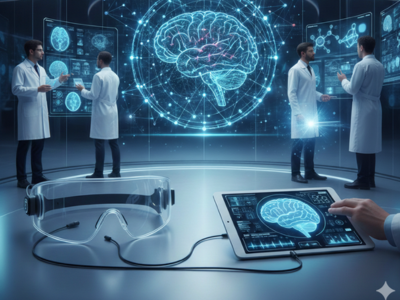
Digital neurotherapeutics is emerging as a powerful force in health technology. It is reshaping neurological care and modern brain wellness. This innovative sub-sector combines advanced software-driven therapies with proven clinical outcomes. As a result, it moves far beyond traditional wellness applications. Digital neurotherapeutics use cutting-edge tools to treat many neurological and cognitive conditions. Its growth reflects a wider healthcare shift toward accessible and data-driven solutions.
At its core, digital neurotherapeutics relies on software-based therapeutic applications. Patients access these tools through mobile devices, tablets, and virtual reality platforms. These solutions deliver structured and personalized therapy programs. Many platforms integrate cognitive behavioural therapy and gamified exercises. They also provide real-time feedback to improve engagement. Importantly, these interventions stimulate neuroplasticity, which strengthens new brain connections. Therefore, digital therapies do more than manage symptoms. They actively support recovery and functional improvement.
Digital neurotherapeutics differ significantly from traditional rehabilitation approaches. Firstly, these solutions deliver personalized content that adapts to user progress. The system responds to performance, preferences, and evolving clinical needs. Real-time analytics continuously refine the therapy pathway. Consequently, patients receive more precise and responsive treatment. Secondly, these platforms remove geographical barriers to care. Patients can access therapy at home without frequent clinic visits. This flexibility improves convenience and long-term adherence.
Personalization fuels innovation in digital neurotherapeutics. This approach improves therapeutic accuracy, reduces side effects, and enables clinicians to deliver more precise neurological care. Simultaneously, rising demand for individualized solutions is driving the digital neurotherapeutics expansion. Consequently, companies that leverage data analytics and scalable digital platforms are attracting strong investor interest and gaining a competitive advantage in the evolving healthcare technology landscape.
Furthermore, patient engagement improves through reminders, tracking tools, and gamification. These features encourage consistent participation in therapy sessions. They also create a sense of motivation and ownership. As a result, patients remain committed to long-term treatment goals. Through these strategies, digital neurotherapeutics are redefining therapy delivery models.
Digital neurotherapeutics support a wide range of neurological and mental health conditions. For example, stroke patients use these tools to rebuild motor and cognitive skills. Structured exercises improve balance, coordination, and gait. Patients with Parkinson’s disease also benefit from guided motor training programs. Similarly, individuals with multiple sclerosis use cognitive rehabilitation tools. These digital therapies often complement in-person clinical care.
Additionally, digital neurotherapeutics show promise in traumatic brain injury recovery. Patients engage in cognitive exercises that restore memory and attention. In mental health, these platforms provide structured support for ADHD and insomnia. They also address anxiety, depression, and post-traumatic stress disorder. Many applications include digital cognitive behavioural therapy modules. These programs offer flexible and scalable support options.
Moreover, early-stage Alzheimer’s patients benefit from targeted cognitive stimulation tasks. These tasks challenge memory and executive function. Over time, consistent engagement may slow cognitive decline. Importantly, clinicians can monitor patient progress through collected performance data. This data enhances decision-making and treatment planning. Therefore, digital neurotherapeutics strengthen collaboration between patients and providers.
Digital neurotherapeutics offer clear advantages over traditional therapy models. One major benefit is improved accessibility. Patients no longer depend solely on physical appointments. This advantage is crucial in remote or underserved regions. Additionally, digital platforms increase therapy frequency without raising infrastructure costs.
Enhanced engagement also improves clinical outcomes. Gamified exercises and feedback loops motivate consistent participation. Patients can track progress in real time. Consequently, adherence rates often improve compared to traditional programs. Personalized interventions further strengthen outcomes. Each treatment plan adapts to the individual’s neurological profile.
Scalability represents another important advantage. Healthcare systems can deploy digital therapies to large populations. Unlike in-person services, these platforms require fewer physical resources. Therefore, they offer cost-efficient expansion opportunities. Integration into daily routines also supports sustained behavioral change. Therapy becomes part of everyday life rather than an isolated activity.
Despite strong potential, digital neurotherapeutics face important challenges. Data security remains a top priority. These platforms manage sensitive neurological and behavioral information. Therefore, strong cybersecurity frameworks are essential. Compliance with medical device regulations also builds patient trust.
Cost and reimbursement issues create additional barriers. Some healthcare systems lack clear digital therapy coverage policies. Without reimbursement pathways, adoption may slow. Furthermore, the digital divide limits access in certain populations. Older adults may struggle with technology adoption. Limited digital literacy can reduce engagement levels.
Integration with traditional healthcare systems presents further complexity. Digital platforms must connect with clinical workflows. Interoperable data systems are essential for seamless coordination. Collaboration among providers, payers, and developers is critical. Overcoming these barriers will accelerate mainstream adoption.
The future of digital neurotherapeutics appears highly promising. Ongoing research continues to validate clinical effectiveness. At the same time, technological innovation is advancing rapidly. Wearable devices now collect real-world neurological data. These insights strengthen treatment personalization strategies.
Clinical trials increasingly include decentralized and remote components. This approach expands patient participation opportunities. Moreover, partnerships between technology firms and healthcare providers are growing. Regulatory agencies also support innovation through evolving frameworks. Investment interest continues to rise across global markets.
As digital neurotherapeutics mature, they will likely reshape neurological care delivery. It combines personalization, accessibility, and measurable outcomes. Ultimately, this healthtech sub-sector holds transformative potential for brain health. Through patient-centric innovation, digital neurotherapeutics are redefining the future of neurological treatment.

As a skilled content writer with expertise in SEO, Mursalin Pathan specializes in creating high-quality, optimized blog posts, articles, and web content that help brands stand out in the digital landscape. Her commitment is to craft compelling content that not only captivates readers but also boosts search engine rankings, ensuring businesses connect effectively with their target audience and drive measurable growth.

Smarter Decisions with Smart News
Smart Market News is committed to getting its readers the latest updates and insights on industries that help in making “smarter” business decisions. With insights and inputs from corporate decision makers, we bring you the stories of adopting innovative solutions and strategies that have been changing the world. Our editorial insights on products, solutions, companies, and adoption of best practices not only help in understanding the markets better, but also prove to be a complete package for your information needs.
 Natera Launches Zenith Genomics for Rare Disease in US Healthcare
  Pet Diabetes Explained: Causes, Signs & Care Tips