
Wednesday, 21 October 2026
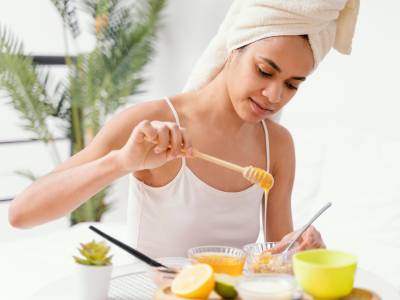
The beauty industry loves a comeback story. Yet few ingredients have made a return as iconic as honey. Once seen as a kitchen staple, honey has evolved into a global cosmeceutical star. Today, you will find honey in luxury serums, clinical-grade creams, and next-gen formulations that promise glowing skin and stronger barriers. As a result, honey skincare has built a solid reputation in the global beauty world.
This shift is not driven by nostalgia. Instead, it comes from science, sustainability trends, and consumer demand for natural yet effective ingredients. Therefore, honey now stands at the intersection of traditional wisdom and cutting-edge cosmetic innovation.
Honey has been a beauty secret for centuries. Cleopatra reportedly used it in her skincare rituals. Ancient Greeks applied it to soothe their skin. Across cultures, honey symbolized purity, nourishment, and healing.
However, modern beauty brands now explore honey in new scientific ways. They extract bioactive compounds. They test stability in formulations. They validate moisturization and antimicrobial powers through in vitro and in vivo studies. Because of these advances, honey is gaining strong global recognition.
Although the ingredient feels old, the science behind it is surprisingly modern.
Cosmeceuticals sit between cosmetics and pharmaceuticals. They promise aesthetic benefits with clinically backed active ingredients. Honey fits this category well. Its profile goes beyond sweetness. It brings enzymes, antioxidants, natural sugars, vitamins, peptides, polyphenols, and trace minerals to the skin. Brands seek multifunctional ingredients. Honey delivers moisture, antimicrobial protection, antioxidant defense, and barrier repair. Thus, it reduces the need for long INCI lists. It even supports clean beauty claims, since it appears less synthetic than many conventional actives.
As global consumers become more conscious, honey gains even more attention. They want ingredients that sound familiar yet perform like high-tech actives. Honey bridges this gap with ease.
Honey contains more complexity than expected. Its bioactive portfolio gives it a strong edge in next-gen formulations.
Most people know MGO because of Manuka honey. This compound is responsible for strong antibacterial properties. MGO helps reduce acne-causing bacteria. It supports post-inflammatory recovery. It even helps maintain a healthier microbiome. In cosmeceuticals, antimicrobial actives are essential. Yet synthetic ones face criticism. Because of that, honey offers a natural alternative that performs well.
Honey provides flavonoids and phenolic acids. These antioxidants protect the skin from oxidative stress. They neutralize free radicals. They slow down collagen breakdown. They even support natural repair systems. Modern consumers need antioxidants. Pollution, UV exposure, stress, and lifestyle habits increase oxidative damage. Since honey supplies gentle yet potent antioxidants, it works well across skin types.
Honey carries enzymes like glucose oxidase and catalase. These enzymes help brighten the skin. They support cell renewal. They encourage a more radiant complexion. Yet these enzymes require careful formulation. They are sensitive to heat and pH. Therefore, cosmetic chemists design systems that stabilize them. When stabilized, they create a gentle exfoliating effect without irritating the skin.
The natural sugars in honey act as humectants. They pull moisture into the skin. They keep it hydrated longer. They even help maintain a plump, dewy appearance. This effect is key in the global rise of honey skincare. Hydration remains one of the highest demands among skincare consumers worldwide.
Modern honey skincare does not simply blend raw honey into creams. Cosmetic science works with advanced extraction methods. These processes isolate specific bioactive fractions. They enhance stability. They increase efficacy.
Some innovations include:
Through these innovations, the honey category changes. It becomes more than a natural ingredient. It evolves into a refined and versatile cosmeceutical active.
The success of honey skincare is not limited to one region. Asia-Pacific markets lead the trend, especially South Korea and Japan. Their beauty consumers love fermented ingredients. They trust natural formulations. Therefore, honey fits their expectations well. In Europe, honey appeals to eco-conscious buyers. It supports sustainability narratives. It aligns with organic or “green chemistry” preferences. In North America, honey connects with wellness culture and clean beauty movements. Across emerging markets, honey carries cultural familiarity. Because people associate it with health, they trust it more than synthetic chemicals.
This global acceptance creates a strong foundation for market growth.
The global honey-based cosmetics market is on an upward trend. Although growth numbers vary across studies, analysts agree on strong momentum. The demand rises due to clean beauty, premium skincare, and a global push toward natural actives. Brands now launch honey-infused serums, balms, toners, essences, and masks. Luxury houses use rare honey varieties. Mass-market brands explore affordable honey blends. Indie labels use honey to craft storytelling around authenticity.
As innovation increases, market expansion increases too. Because honey suits so many consumer needs, the category shows no signs of slowing down.
Consumers want ethical sourcing. They want transparency. They want ingredients that support ecosystems. Honey offers a strong sustainability story. Responsible beekeeping supports biodiversity. It helps pollination. It protects native plant species. Therefore, brands can link honey to environmental impact in an honest way.
However, transparency is essential. Honey adulteration remains a global issue. Brands must show test results, certifications, and supply chain information to build trust. Clean and ethical sourcing will drive the next phase of market maturity.
Looking ahead, the future of honey skincare is bright. Researchers examine how honey-derived compounds can support anti-aging, wound healing, and anti-inflammatory performance. They explore delivery systems that protect enzymes. They study how honey interacts with the skin microbiome. Formulators will continue to innovate. They will experiment with encapsulated honey actives. They will pair honey with peptides or ceramides. They will use fermentation to create new textures.
Soon, consumers may see honey in biotech, AI-driven formulation models, and advanced dermocosmetic hybrids. With so much potential, honey clearly moves beyond a traditional ingredient. It becomes a next-gen powerhouse in the global beauty industry.
Honey has returned to the beauty spotlight with more science, sophistication, and credibility. Its bioactive compounds offer meaningful benefits. Its versatility supports innovation. Its natural story appeals to conscious consumers. Its global recognition continues to rise each year. As a result, honey skincare stands at the center of next-gen beauty trends. It represents a sweet blend of tradition and technology, a rare combination that the modern beauty world loves.
In this new golden age, honey proves that nature still holds surprising power. And clearly, the beauty industry is ready to follow the bees.

- Druti Banerjee is a storyteller at heart, following the precision of research with the art of words. Druti, a content writer for The Insight Partners, combines creative flair with in-depth research to create words that bewitch. She approaches every piece she does with an academic yet approachable perspective, having a background in English Literature and Journalism. Beyond the screen, Druti is a passionate art enthusiast whose love of creativity is rooted in the creations of great artists such as Vincent Van Gogh. An avid reader, dancer, and ever-ready to pen down thoughts, always up for binge-watching and chai on repeat. Preacher of the following vision by Vincent Van Gogh, "What is done in love, is done well", draws inspiration from the realms of art, history, and storytelling to bring to life via writing the rich hues of culture and the complexity of human expression. The aim is to capture the nuance of the human experience—one carefully chosen word at a time

Smarter Decisions with Smart News
Smart Market News is committed to getting its readers the latest updates and insights on industries that help in making “smarter” business decisions. With insights and inputs from corporate decision makers, we bring you the stories of adopting innovative solutions and strategies that have been changing the world. Our editorial insights on products, solutions, companies, and adoption of best practices not only help in understanding the markets better, but also prove to be a complete package for your information needs.
 Kraft Heinz Mac & Cheese Debuts to Modernize Brand
  Folding Furniture or Commercial Spaces is the New Interior Décor Revolution