
Tuesday, 08 September 2026
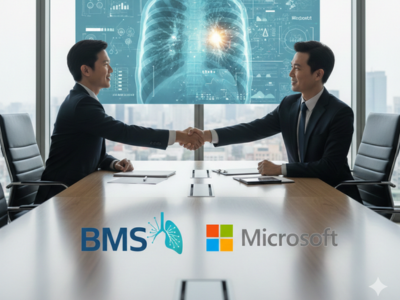
Bristol Myers Squibb announced a strategic collaboration with Microsoft to accelerate early detection of lung cancer. The initiative uses advanced AI-powered radiology tools combined with streamlined clinical workflows. The partnership, revealed on January 20, represents a significant investment in digital health solutions that merge imaging analysis with clinical expertise. Experts predict the collaboration could transform how clinicians detect and manage lung disease, especially in underserved communities.
Under this agreement, U.S. Food and Drug Administration-cleared AI algorithms will integrate into Microsoft’s Precision Imaging Network. This network covers more than 80 percent of hospitals nationwide, allowing AI-powered radiology systems to analyze X-ray and CT images automatically. Clinicians can now identify lung abnormalities, including hard-to-spot nodules, at earlier disease stages. Additionally, these AI workflows reduce manual workload, streamline diagnostics, and support faster patient care decisions.
Lung cancer remains the leading cause of cancer-related deaths in the United States, with tens of thousands of new cases yearly. Standard screening often misses early signs, leaving many patients undiagnosed until the disease progresses. By deploying AI-powered radiology tools broadly, both companies aim to increase early detection reliability and expand patient access to screening.
The advancement of digital radiology is driven by rapid technological progress. Techniques such as computed radiography (CR) and digital radiography (DR) improve image quality and boost diagnostic accuracy. These technologies also save significant time during image acquisition and processing, providing clinicians with timely, accurate insights. Meanwhile, AI and machine learning enhance image analysis, detecting conditions invisible to the human eye. Such innovations continue to expand demand for AI-powered solutions in radiology.
A major challenge in lung cancer care is ensuring patients with incidental findings receive proper follow-up. Currently, more than half of these patients fail to complete follow-up care. To address this gap, the collaboration will implement workflow management tools that track patients through diagnostics and treatment pathways. These tools help clinicians maintain continuity of care and minimize patient attrition.
“By combining Microsoft’s scalable radiology solutions with BMS’s oncology expertise, we created a unique AI-enabled workflow,” said Dr. Alexandra Goncalves, Vice President and Head of Digital Health at Bristol Myers Squibb. “This system helps clinicians detect non-small cell lung cancer early and guide patients to the most effective treatments.” She emphasized that integrating technology with clinical insight improves efficiency and patient outcomes.
The collaboration also supports BMS’s health equity goals by prioritizing early detection access in rural hospitals and community clinics. These facilities often lack advanced diagnostic resources. By bridging healthcare gaps, the companies aim to deliver innovative screening methods to underserved and diverse populations.
“We are committed to breaking down barriers and addressing healthcare challenges,” added Andrew Whitehead, Vice President and Head of Population Health at Bristol Myers Squibb. He highlighted that equitable access to AI-powered radiology tools remains central to BMS’s mission and reduces disparities in lung cancer outcomes across socioeconomic groups.
Microsoft executives highlighted the AI system’s ability to unlock insights from imaging data and enhance diagnostic efficiency. Peter Durlach, Corporate Vice President and Chief Strategy Officer for Microsoft Health and Life Sciences, explained that the platform detects early cancer signs often before patients show symptoms. These AI-powered radiology solutions enable clinicians to make faster, more accurate decisions.
Although specific deployment timelines were not disclosed, analysts predict this collaboration may become a model for partnerships between tech companies and pharmaceutical firms. By combining Microsoft’s AI-powered radiology capabilities with BMS’s oncology expertise. The initiative seeks to create scalable solutions benefiting patients, providers, and healthcare systems.
Industry observers note that this effort reflects a growing trend in healthcare innovation. AI technologies increasingly enhance early disease detection and support clinical decision-making. As hospitals adopt digital tools, collaborations like this emphasize artificial intelligence as a vital asset for improving diagnostic accuracy and elevating standards of patient care.

As a skilled content writer with expertise in SEO, Mursalin Pathan specializes in creating high-quality, optimized blog posts, articles, and web content that help brands stand out in the digital landscape. Her commitment is to craft compelling content that not only captivates readers but also boosts search engine rankings, ensuring businesses connect effectively with their target audience and drive measurable growth.

Smarter Decisions with Smart News
Smart Market News is committed to getting its readers the latest updates and insights on industries that help in making “smarter” business decisions. With insights and inputs from corporate decision makers, we bring you the stories of adopting innovative solutions and strategies that have been changing the world. Our editorial insights on products, solutions, companies, and adoption of best practices not only help in understanding the markets better, but also prove to be a complete package for your information needs.
 Natera Launches Zenith Genomics for Rare Disease in US Healthcare
  Pet Diabetes Explained: Causes, Signs & Care Tips