
Sunday, 18 October 2026
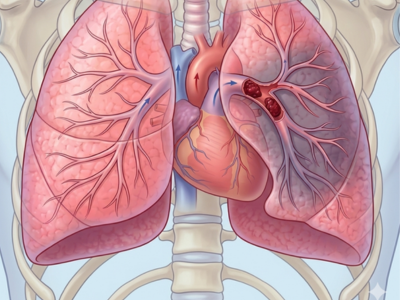
Pulmonary embolism represents a serious medical emergency that requires immediate clinical attention and deep awareness of the underlying risks. This condition occurs when a blood clot blocks one of the pulmonary arteries within your lungs, disrupting vital oxygen flow. Generally, these blood clots travel to the lungs from deep veins in the legs, a process known as deep vein thrombosis. Because these clots restrict blood flow to the lungs, pulmonary embolism can become life-threatening if doctors do not intervene quickly.
Patients must recognize the signs of pulmonary embolism early to ensure they receive the necessary treatment for their specific condition. Symptoms vary greatly depending on how much of the lung is involved and the size of the existing blood clots. Furthermore, the presence of underlying lung or heart disease can significantly alter how a person experiences these various physical signs.
Shortness of breath typically appears suddenly and always gets worse with physical exertion, making it a primary symptom of pulmonary embolism. You might feel a sharp chest pain that mimics a heart attack while breathing deeply or coughing during the day. Additionally, many patients experience a persistent cough that may produce bloody sputum, signaling significant irritation within the pulmonary arterial system.
Rapid or irregular heartbeats often accompany pulmonary embolism because the heart struggles to pump blood through the blocked pulmonary arteries. Some individuals feel lightheaded or dizzy, and in severe cases, they might even faint due to a sudden blood pressure drop. Excessive sweating and clammy skin also serve as common indicators that the body is under extreme physiological stress from the blockage.
Understanding what causes pulmonary embolism helps individuals take preventive measures against developing these dangerous and potentially fatal blood clots. While many factors contribute to clot formation, medical professionals identify several primary triggers that increase the likelihood of systemic blockages.
Most cases of pulmonary embolism begin as deep vein thrombosis, where a clot forms in the deep veins of the legs. These clots break loose and travel through the circulatory system, eventually lodging in the narrow vessels of the human lung. Consequently, any condition that promotes blood pooling in the lower extremities increases the risk of developing a serious pulmonary embolism. One of the key factors driving growth in pulmonary embolism is the increasing prevalence of pulmonary embolism (PE) and its closely linked risk factor, deep vein thrombosis (DVT). Pulmonary embolism (PE), a dangerous blockage in the lung's arteries, affects approximately 1 in 1,000 people in the U.S. annually, totaling up to 900,000 cases.
If left untreated, a pulmonary embolism can lead to several long-term health complications that permanently affect a patient's quality of life. The most immediate concern is pulmonary hypertension, where the blood pressure in the lungs and right heart becomes too high.
Repeated episodes of small pulmonary embolism can lead to chronic thromboembolic pulmonary hypertension, which causes lasting damage to the lung tissues. This condition forces the heart to work much harder, eventually leading to heart failure if the pressure is not relieved. Therefore, early diagnosis and consistent treatment are essential for preventing the cumulative damage caused by a recurring pulmonary embolism.
Once you have experienced one pulmonary embolism, your risk for developing future clots remains significantly higher than that of the general population. Doctors usually recommend long-term anticoagulant therapy to maintain thin blood and prevent new clots from forming in the deep veins. Consistent follow-up care ensures that any new signs of pulmonary embolism are caught before they escalate into a major crisis.
Preventing a pulmonary embolism focuses primarily on preventing deep vein thrombosis in the legs and maintaining healthy blood flow throughout. Fortunately, several practical steps and medical interventions can significantly reduce the risk of clot formation for most at-risk individuals.
You should seek emergency medical help immediately if you experience sudden shortness of breath or unexplained chest pain during activities. Because a pulmonary embolism can be fatal, acting quickly is the most important factor in ensuring a positive medical outcome. Do not wait for symptoms to disappear on their own, as the blockage requires professional intervention to dissolve safely.
Medical teams use various imaging tests, such as CT scans and ultrasounds, to confirm the presence of a pulmonary embolism. Once they confirm the diagnosis, they will likely start you on medications or procedures designed to break up the clot. By staying informed about the risks of pulmonary embolism, you can protect your health and respond effectively to any emergencies.
In conclusion, a pulmonary embolism is a serious condition that requires a proactive approach to both prevention and immediate treatment. Recognizing the relationship between leg health and lung function can help you avoid the dangers of a sudden pulmonary embolism. Always consult with healthcare professionals if you believe you are at risk for developing clots in your lower extremities. Taking these steps today can prevent the life-altering consequences associated with a major pulmonary embolism in the future.

As a skilled content writer with expertise in SEO, Mursalin Pathan specializes in creating high-quality, optimized blog posts, articles, and web content that help brands stand out in the digital landscape. Her commitment is to craft compelling content that not only captivates readers but also boosts search engine rankings, ensuring businesses connect effectively with their target audience and drive measurable growth.

Smarter Decisions with Smart News
Smart Market News is committed to getting its readers the latest updates and insights on industries that help in making “smarter” business decisions. With insights and inputs from corporate decision makers, we bring you the stories of adopting innovative solutions and strategies that have been changing the world. Our editorial insights on products, solutions, companies, and adoption of best practices not only help in understanding the markets better, but also prove to be a complete package for your information needs.
 Natera Launches Zenith Genomics for Rare Disease in US Healthcare
  Pet Diabetes Explained: Causes, Signs & Care Tips