Tuesday, 08 September 2026

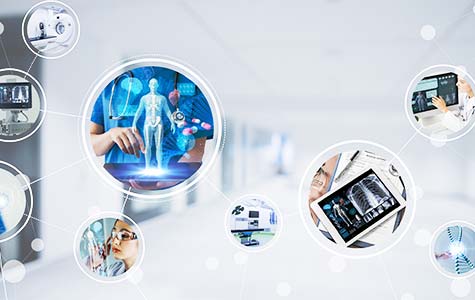
Healthcare is rapidly transforming through digital innovation, and connected devices now improve patient outcomes while enhancing operational efficiency. However, the rise of healthcare IoT security risks can threaten patient privacy and disrupt essential medical services if they are not addressed proactively. Therefore, in this blog, we will explore key risks associated with IoT in healthcare and provide practical strategies to protect sensitive data while ensuring patient safety.
Healthcare IoT security involves integrating advanced technologies and tools that protect data transmission, storage, and processing across connected medical devices. Consequently, these devices continuously collect and transmit health information. This requires robust security to maintain patient confidentiality and comply with legal regulations.
One of the most significant benefits of IoT in healthcare is real-time remote patient monitoring, which allows clinicians to detect health abnormalities promptly. Furthermore, these systems provide data that can prevent disease deterioration and improve treatment outcomes. Nevertheless, as healthcare networks become increasingly interconnected, their exposure to cybersecurity threats grows. Therefore, medical facilities must invest in strong security frameworks before adopting IoT solutions widely.
Security is essential for protecting the confidentiality, integrity, and availability of sensitive patient data. Without robust safeguards, medical IoT networks can become entry points for cyberattacks. This leads to breaches of protected health information (PHI), operational interruptions, and even direct patient harm. Additionally, more than half of IoT medical devices currently face critical security risks, according to authoritative studies.
As healthcare organizations continue adopting more healthcare IoT security devices for patient monitoring and management, they inevitably face an increasing number of cybersecurity threats. Consequently, these institutions have become highly attractive targets for cyberattacks. Moreover, increasing awareness of robust security requirements, particularly after high-profile data breaches, has created a strong demand for effective IoT security solutions.
Transitioning to a secure IoT ecosystem in healthcare requires both technological upgrades and a strong cultural commitment to security. Clear communication, consistent policies, and ongoing investments in personnel and technology enable institutions to mitigate risks while unlocking the full potential of connected medical systems.
Securing the Internet of Things (IoT) in the healthcare sector isn't only about the technical side of things; it is also about preserving the privacy of patients and building a better relationship with their caregivers. So that they can receive healthcare under safe and trustworthy conditions from an organization that has implemented robust security measures. If providers learn about the most prevalent risks related to IoT devices. They will be better positioned to build resilient systems around those risks that also foster innovation within a safe environment.

As a skilled content writer with expertise in SEO, Mursalin Pathan specializes in creating high-quality, optimized blog posts, articles, and web content that help brands stand out in the digital landscape. Her commitment is to craft compelling content that not only captivates readers but also boosts search engine rankings, ensuring businesses connect effectively with their target audience and drive measurable growth.

Smarter Decisions with Smart News
Smart Market News is committed to getting its readers the latest updates and insights on industries that help in making “smarter” business decisions. With insights and inputs from corporate decision makers, we bring you the stories of adopting innovative solutions and strategies that have been changing the world. Our editorial insights on products, solutions, companies, and adoption of best practices not only help in understanding the markets better, but also prove to be a complete package for your information needs.
 Natera Launches Zenith Genomics for Rare Disease in US Healthcare
  Pet Diabetes Explained: Causes, Signs & Care Tips