
Saturday, 10 October 2026
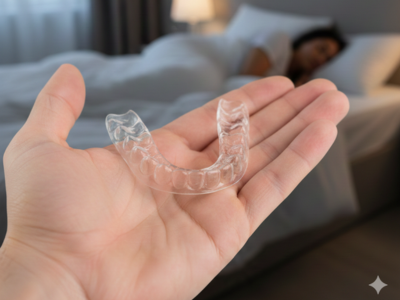
A mouth guard is a simple dental device designed to protect your teeth and jaw from damage, pain, and stress during everyday activities like sleeping or playing sports. It plays a crucial role in preventing injuries and improving overall oral health. In this blog, we’ll explore what a mouth guard is, why you might need one, how it works, and the types available so you can make an informed decision about safeguarding your smile.
First, let’s define a mouth guard and its purpose. A mouth guard is a plastic or silicone appliance that fits over your teeth to absorb pressure and prevent them from grinding against each other. It also cushions your teeth and jaw during physical activity, reducing the risk of fractures, chips, and dental trauma. This device supports a healthy night’s sleep and an active lifestyle.
One of the most common reasons people seek a mouth guard is to manage bruxism, the medical term for teeth grinding. Bruxism often occurs during sleep and affects a significant portion of adults worldwide. When teeth grind against each other repeatedly, it can lead to worn enamel, pain in the jaw, morning headaches, gum recession, and even cracked teeth. By wearing a mouth guard at night, you create a protective barrier that reduces the force of grinding and helps relax jaw muscles. This action can significantly decrease morning discomfort and lower your risk of dental wear.
Besides protecting teeth, a mouth guard can also help with sleep-related issues such as snoring or mild sleep apnea. Some types of mouth guards gently reposition your lower jaw forward, increasing airway space and reducing tissue vibration that causes snoring. Improved airflow often results in better sleep quality, reduced daytime fatigue, and enhanced focus throughout the day. However, always consult a dentist before using one for sleep concerns.
Temporomandibular joint (TMJ) disorders often manifest as jaw clicking, soreness around the ear, and headaches. Since the TMJ connects your jawbone to your skull, excessive stress or misalignment in this joint can affect your overall comfort. A custom mouth guard can help ease the pressure on the TMJ by cushioning and redistributing forces while keeping your jaw in a more relaxed position. Some users experience reduced tension and less jaw pain with regular use. However, results may vary, and professional guidance is recommended before starting treatment.
There are various types of mouth guards available, each suited to different needs. Understanding these options will help you select the one that fits your lifestyle best:
These are ready-to-wear devices found in many pharmacies or sports stores. They are inexpensive but often lack a precise fit, which can make them less comfortable and less effective. Dentists generally do not recommend them for long-term use.
Boil-and-Bite Mouth Guards are made from a thermoplastic material that softens when heated. Once pliable, you bite into it so it molds around your teeth. This option is slightly better than stock guards, but still may not provide the ideal fit you need.
A custom mouth guard is created using a dental impression or digital scan of your mouth. This type delivers the best fit because it’s tailored to your teeth and jaw structure. Custom guards are generally more comfortable and more effective at preventing damage from grinding or impact. They are the most recommended option by dental professionals.
Getting a custom mouth guard typically starts with a dental consultation and diagnosis. Your dentist will identify whether you need a guard for grinding, snoring, TMJ issues, or sports protection. Next, impressions or digital scans of your mouth are taken to create a perfectly fitted device. After fabrication at a professional lab, your dentist will ensure proper fitting and offer guidance on how to wear it. Initial side effects like drooling or jaw soreness may occur, but most people adapt quickly. Regular maintenance and follow-up visits are essential.
A mouth guard offers several meaningful benefits:
Although a mouth guard is generally safe, you might experience minor discomfort at first. Dry mouth, slight jaw strain, or sore muscles can occur if the device doesn’t fit correctly. To prevent issues, always consult a qualified dentist who can adjust your mouth guard for comfort. Clean your guard daily with mild soap and a soft brush, and store it properly in its case. Avoid using toothpaste, as it can damage the material. Regular dental checkups help ensure your device continues to fit well and work effectively.
You might wonder whether a mouth guard can protect dental hardware like braces, implants, or crowns. The good news is that a custom mouth guard can offer protection for these devices as well. Whether you’re playing sports or grinding your teeth at night, a tailored guard can cushion your dental work and prevent further damage.
If you’re experiencing worn or chipped teeth, morning jaw stiffness, persistent snoring, or jaw clicking, a mouth guard may be a helpful solution. Speaking with a dentist will allow you to assess whether a custom mouth guard is suitable for your needs. These devices are more than just tooth protectors; they can contribute to better sleep, less pain, and a healthier smile. Don’t ignore symptoms that affect your oral health and overall quality of life; your smile deserves the best care possible.

As a skilled content writer with expertise in SEO, Mursalin Pathan specializes in creating high-quality, optimized blog posts, articles, and web content that help brands stand out in the digital landscape. Her commitment is to craft compelling content that not only captivates readers but also boosts search engine rankings, ensuring businesses connect effectively with their target audience and drive measurable growth.

Smarter Decisions with Smart News
Smart Market News is committed to getting its readers the latest updates and insights on industries that help in making “smarter” business decisions. With insights and inputs from corporate decision makers, we bring you the stories of adopting innovative solutions and strategies that have been changing the world. Our editorial insights on products, solutions, companies, and adoption of best practices not only help in understanding the markets better, but also prove to be a complete package for your information needs.
 Natera Launches Zenith Genomics for Rare Disease in US Healthcare
  Pet Diabetes Explained: Causes, Signs & Care Tips