Saturday, 10 October 2026
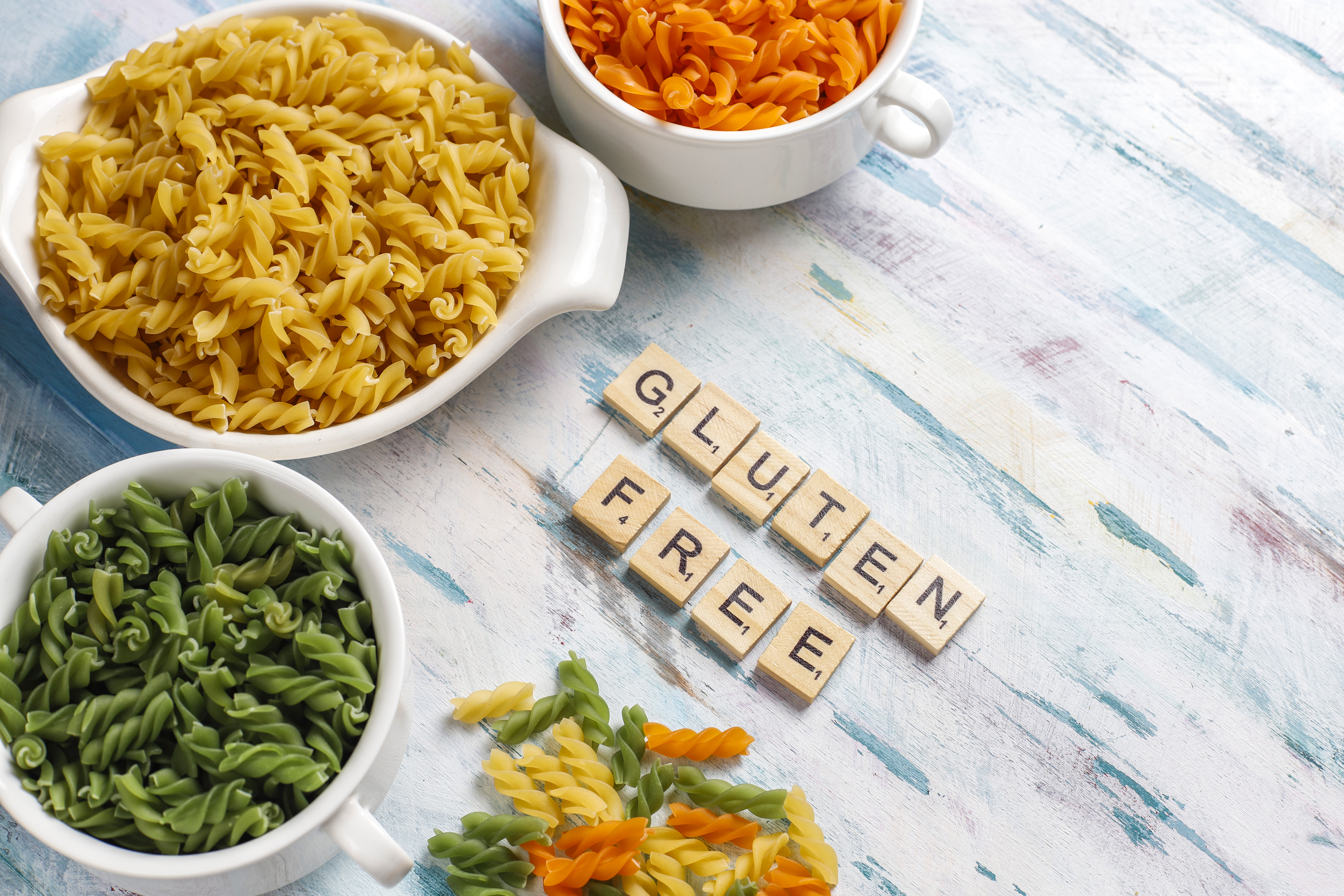
From being the need of only a few people with celiac disease or gluten intolerance, the Gluten Free Food Market has grown into a mainstream dietary segment. This market, now ranging from bakery products to ready meals, is driven by rising health awareness, changes in consumer lifestyles, and innovation in food technology. With growing consumer interest in gluten-free diets for digestive health or as a prevention measure, the global gluten-free food market continues to exhibit rapid growth.
Market Growth & Drivers
Health Awareness: The number of diagnoses for celiac disease and gluten sensitivity is on the rise. Meanwhile, many consumers who do not have a medical reason for the diet believe that gluten-free options are healthier, which lines up with general wellness trends.
Clean-Label Demand: Foods with fewer ingredients and more natural ingredients continue to be favored by consumers. To that end, gluten-free manufacturers are using alternative flours such as sorghum or teff and are similarly emphasizing simple, transparent formulations.
Convenience & Ready Meals: Fast pace of life increased demand for gluten-free ready-to-eat meals.
Digital & E-commerce Growth: Online grocery shopping has increased the visibility of gluten-free products.
Get Sample Report: https://www.theinsightpartners.com/sample/TIPRE00011919
Growth Strategies
Diversification of products: Innovations in different segments, like bakery, pasta, alternatives to dairy products, and frozen meals.
Scaling manufacturing: Investing in dedicated gluten-free facilities to ensure safety and reduce cross-contamination. For example, Dr. Schär has invested $28 million in an expansion of its U.S. bakery.
Mergers & Acquisitions: Larger food companies are acquiring gluten-free specialists in an attempt to integrate the latter into wider distribution networks. Flowers Foods purchased Canyon Bakehouse in 2018 with the intention of delving into the rising gluten-free bread segment.
Sustainable sourcing & packaging: Gluten-free offerings are aligning with environmental values. For example, Dr. Schär has committed to responsible sourcing and reduction of plastic in packaging.
E-commerce & direct to consumer: Expanding online channels, subscription models, and D2C campaigns to reach health-conscious, convenience-driven customers.
Future Trends & Opportunities
Plant-based intersection: This is where gluten-free and plant-based diets intersect-a very exciting frontier.
Functional fortification: Consumers want more than gluten-free, they want added protein, fiber, and micronutrients.
Sustainable ingredients include ancient grains such as sorghum, millet, and quinoa that help with texture in addition to sustainability.
Expanding into emerging markets: Regions such as the Asia-Pacific and South Asia are expected to experience high growth due to increased disposable incomes and greater awareness about health.
Foodservice & restaurant partnerships: More cafés, QSRs, and meal kit services are integrating gluten-free menu options.
Innovative preservation: Technologies like micro-encapsulation can improve shelf-stability of gluten-free baked goods.
Key Segments
By Product Type
Bakery Products
Confectionery Bars
Pasta and Noodles
Breakfast Cereals
Snacks
RTE and RTC Meals
By Distribution Channel
Supermarkets and Hypermarkets
Convenience Stores
E-retailing
Key Players & Recent Developments
Kinnikinnick Foods
This is an Edmonton, Canada-based bakery brand well recognized for gluten-free, but also dairy-free, nut-free, and soy-free products with extensive varieties: breads, muffins, cookies, pizza crusts.
Recent development: In January 2024, English Bay Blending & Fine Chocolates acquired Kinnikinnick Foods with a promise to keep the facility strictly gluten-free (and allergen-free).
Dr. Schär
Leading gluten-free specialist headquartered in Europe, with more than 300 SKUs globally across bakery, pasta, crackers, and more.
Recent development: The U.S. plant in Swedesboro, NJ, is being expanded with a $28 million investment aimed at bettering capacity and consistency.
Sustainability focus: Dr. Schär released a sustainability report, outlining efforts for responsible sourcing and eco-friendly packaging.
Canyon Bakehouse
US-based gluten-free bakery brand now under Flowers Foods making bread, bagels, buns, amongst others, in a dedicated gluten-free facility.
Recent developments:
Launched Hawaiian Sweet Rolls- gluten-free, whole grain-in frozen format.
Refreshed its packaging to highlight "Gluten-Free" explicitly, with larger windows and free-from badges (dairy, nuts, soy).
Opportunities:
Bridging gluten-free with other dietary trends: vegan, keto, high-protein.
Utilizing e-commerce to reach underserved regions.
Partner with foodservice and meal-delivery platforms.
Using sustainable gluten-free grains that are locally sourced to reduce costs and ecological footprint.
Challenges:
High ingredient costs: gluten-free flours are generally more expensive, pushing up retail prices.
Certification and facility costs: It requires high investment to keep dedicated gluten-free production lines.
Taste & texture trade-offs: Despite advances, matching the sensory qualities of gluten-containing products remains a technical challenge.
Conclusion
At this juncture, the gluten-free food market reaches an important milestone. What began as a medical necessity for a few has grown into a vibrant, mainstream category. Driven by heightened consumer awareness of health and wellness, innovative products, and increased distribution channels, the market is poised for continued strong growth over the coming decade. Success for companies depends on achieving the right balance between safety, taste, affordability, and sustainability. Key players, such as Kinnikinnick, Dr. Schär, and Canyon Bakehouse, are already making their strategic moves by way of mergers and acquisitions, capacity expansion, and launch of new products to stay ahead.
Frequently Asked Questions (FAQs)
What is driving the demand for gluten-free foods?
Health awareness (celiac disease, gluten intolerance)
Clean-label and wellness trends
Demand for allergen-free products
Convenience & ready-to-eat options
Is the gluten-free food market growing rapidly?
Yes, the market, according to Fortune Business Insights, may grow from USD 8.12 billion in 2025 to USD 15.45 billion by 2032.
Many other sources also forecast a CAGR of about 9–10%.
Which product segments dominate?
Still the largest is bakery: bread, rolls.
Other very promising segments include ready meals and pasta.
Are gluten-free foods more expensive?
Yes. Ingredient costs, dedicated facilities, and certification add to production costs, making gluten-free foods pricier.
Are there any sustainability trends in this market?
Absolutely; some companies are cleaning up packaging, reducing plastic, and sourcing from sustainable grain producers.
About Us:
The Insight Partners is a one stop industry research provider of actionable intelligence. We help our clients in getting solutions to their research requirements through our syndicated and consulting research services. We specialize in industries such as Semiconductor and Electronics, Aerospace and Defense, Automotive and Transportation, Biotechnology, Healthcare IT, Manufacturing and Construction, Medical Device, Technology, Media and Telecommunications, Chemicals and Materials.
Contact Us:
If you have any queries about this report or if you would like further information, please contact us:
Contact Person: Ankit Mathur
E-mail: [email protected]
Phone: +1-646-491-9876

- Druti Banerjee is a storyteller at heart, following the precision of research with the art of words. Druti, a content writer for The Insight Partners, combines creative flair with in-depth research to create words that bewitch. She approaches every piece she does with an academic yet approachable perspective, having a background in English Literature and Journalism. Beyond the screen, Druti is a passionate art enthusiast whose love of creativity is rooted in the creations of great artists such as Vincent Van Gogh. An avid reader, dancer, and ever-ready to pen down thoughts, always up for binge-watching and chai on repeat. Preacher of the following vision by Vincent Van Gogh, "What is done in love, is done well", draws inspiration from the realms of art, history, and storytelling to bring to life via writing the rich hues of culture and the complexity of human expression. The aim is to capture the nuance of the human experience—one carefully chosen word at a time

Smarter Decisions with Smart News
Smart Market News is committed to getting its readers the latest updates and insights on industries that help in making “smarter” business decisions. With insights and inputs from corporate decision makers, we bring you the stories of adopting innovative solutions and strategies that have been changing the world. Our editorial insights on products, solutions, companies, and adoption of best practices not only help in understanding the markets better, but also prove to be a complete package for your information needs.
 Kraft Heinz Mac & Cheese Debuts to Modernize Brand
  Folding Furniture or Commercial Spaces is the New Interior Décor Revolution